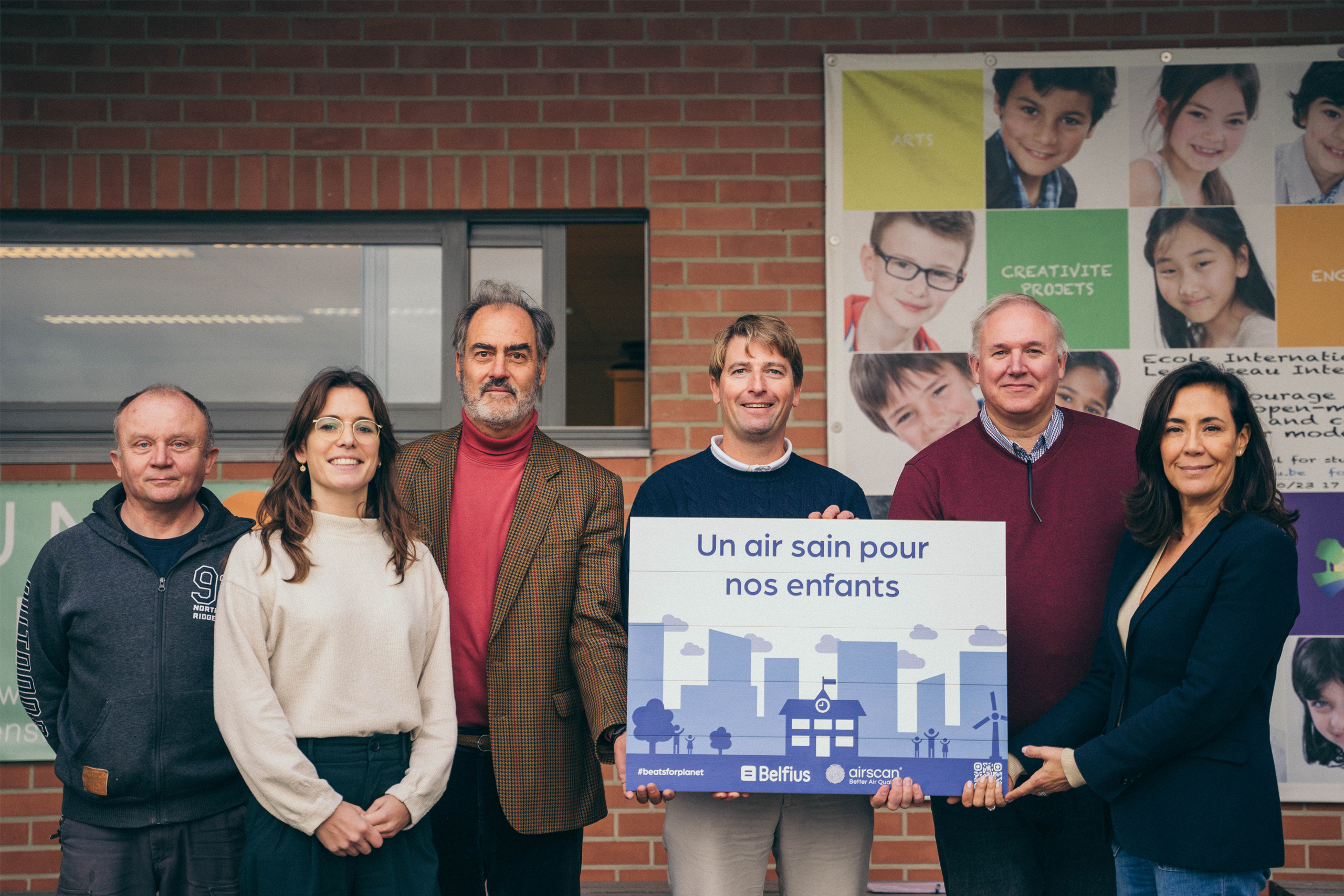
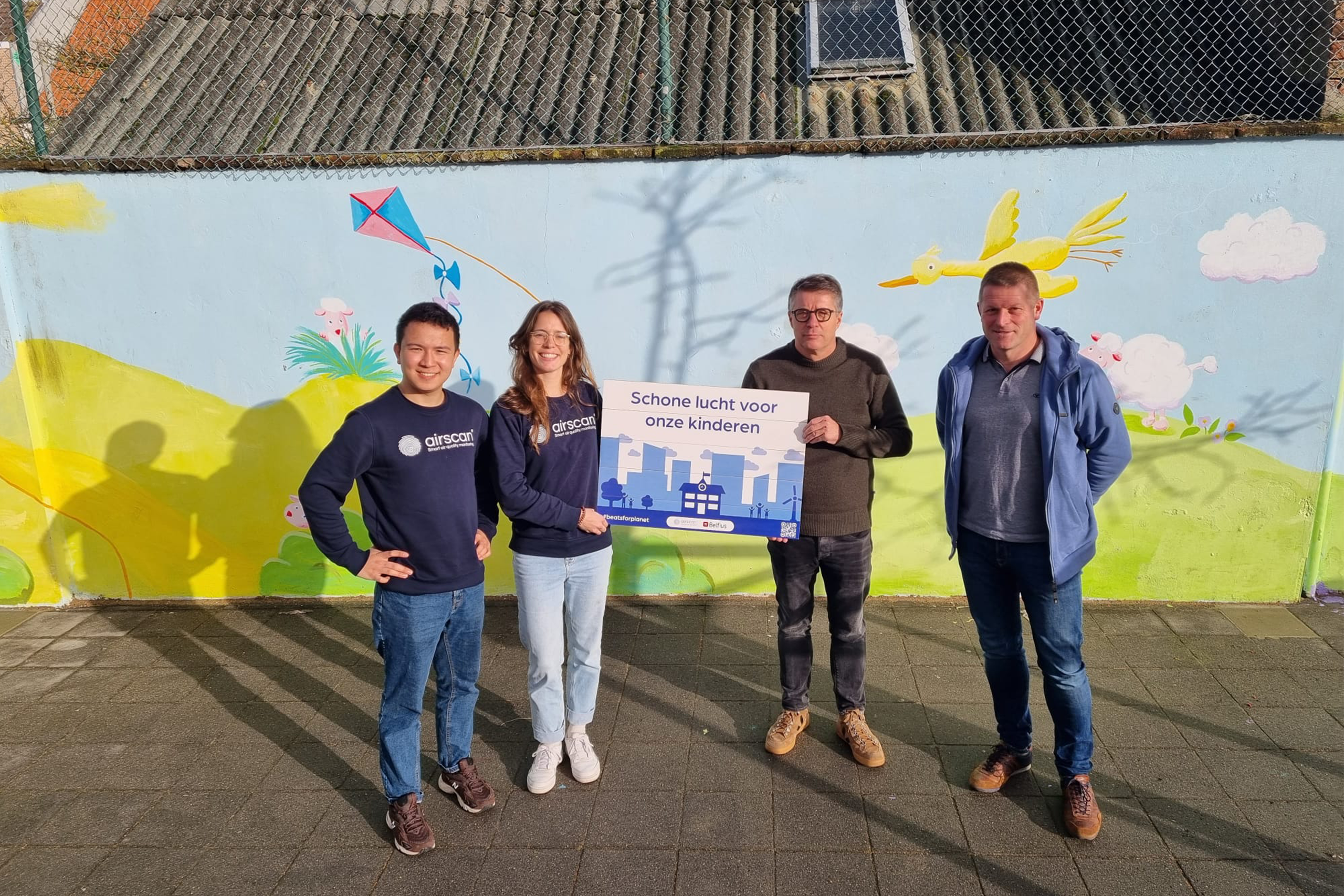
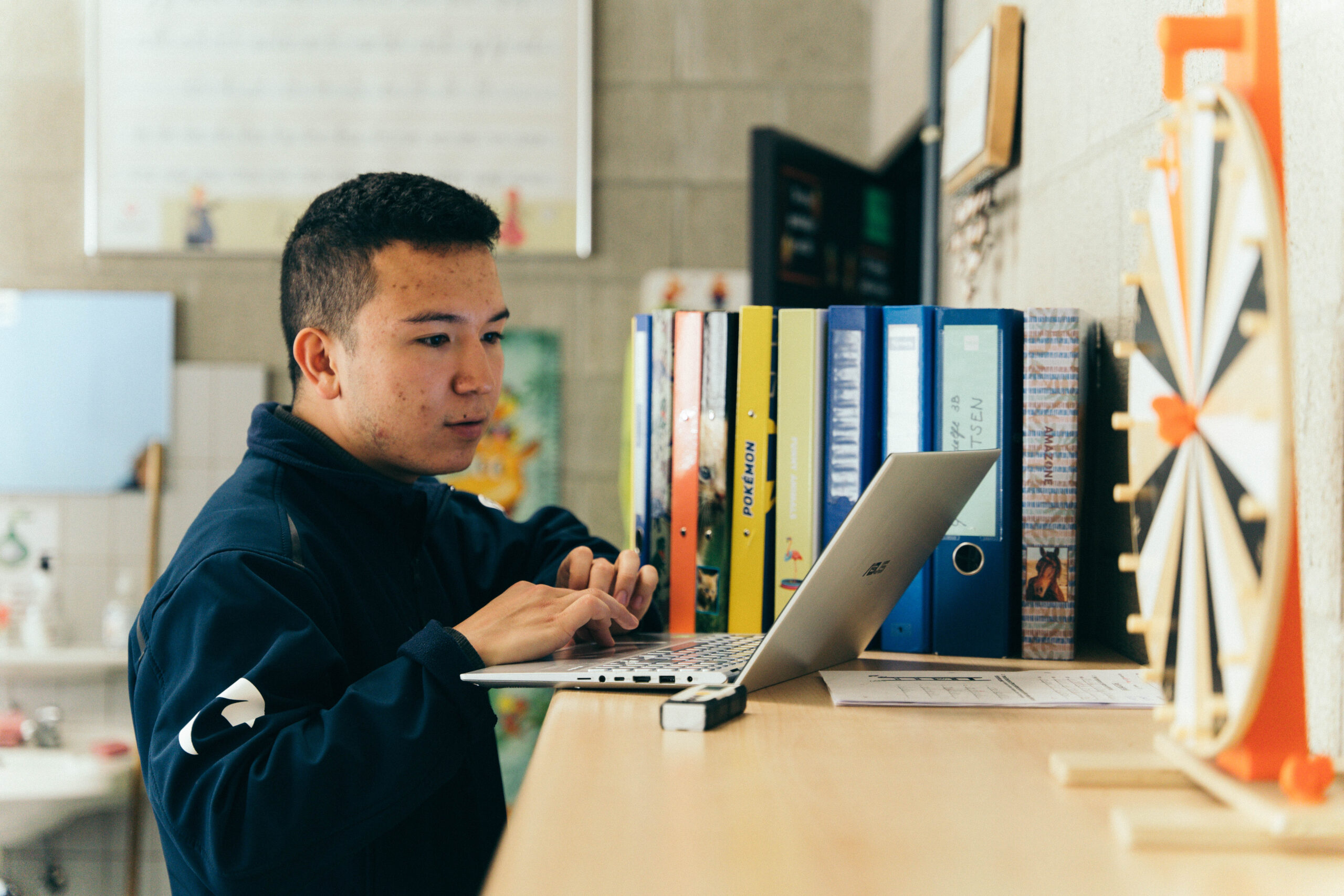
In collaboration with Belfius, Airscan measures and analyzes air quality in Belgian schools through the Clean Air for Schools project: discover the solutions and key results that is driving healthier school environments across Belgium.
Sign up to give your school a breath of fresh air.
Participation in the project is free thanks to the support and collaboration of Belfius.
Pollutants are everywhere. Even in the classroom.
Air quality is a significant problem in classrooms. Polluted indoor air, excessive levels of CO2, and other harmful substances can negatively impact children’s health – particularly by contributing to respiratory issues. Furthermore, outdoor air quality is equally important. Ventilating a classroom when air quality is poor also has a positive impact on students’ health.
But that’s not all: this poor air quality also reduces students’ concentration, memory, and learning abilities, impacting their academic performance. This issue is therefore crucial for children’s well-being and success at school.
Eye/nose allergies and irritations
Particles and pollutants promote allergic reactions and daily discomfort (red eyes, runny nose).
Rapid spread of viruses and bacteria
Poor ventilation increases the transmission of infectious diseases such as the flu or colds.
Impact on cognitive development
Repeated exposure to pollutants affects learning abilities and can have long-term effects.
Stress and discomfort in the classroom
A stuffy or poorly ventilated room generates a feeling of discomfort, reducing the well-being of students and teachers.
Eye/nose allergies and irritations
Particles and pollutants promote allergic reactions and daily discomfort (red eyes, runny nose).
Rapid spread of viruses and bacteria
Poor ventilation increases the transmission of infectious diseases such as the flu or colds.
Impact on cognitive development
Repeated exposure to pollutants affects learning abilities and can have long-term effects.
Stress and discomfort in the classroom
A stuffy or poorly ventilated room generates a feeling of discomfort, reducing the well-being of students and teachers.
The mission
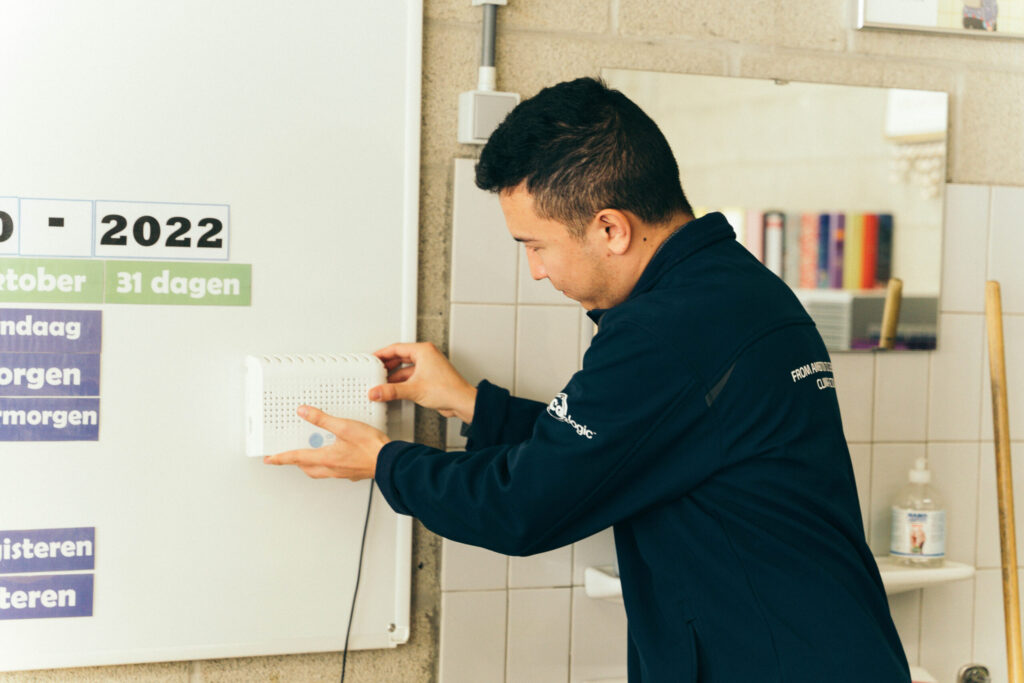
AIRSCAN’s “Clean Air for Schools” project installs sensors in schools to measure indoor and outdoor air quality in real time. Leveraging our expertise, we provide concrete recommendations and raise awareness among students and teachers to protect children’s health. We are now also installing air purifiers in classrooms , as more than 84% of classrooms had fine particulate matter (PM2.5) levels exceeding WHO guidelines.
Measure indoor and outdoor air quality using connected sensors
Awareness
Inform and train students and teachers on the issues surrounding air quality.
Action
Supporting schools in implementing concrete solutions.
Positive impact
The project improves indoor air quality in classrooms and outdoor air around schools, reduces pollution and health risks, promotes student well-being and concentration, optimizes ventilation while limiting energy costs, and raises awareness of environmental health.
Belgian schools were involved, with three sensors installed in different rooms of each establishment, for a full year of initial analysis, followed by a check six months later.
0
Children aged 2.5 to 12 years benefited from the monitoring facilities (approximately 50 students per school on average)
0
Alerts have been sent to teachers to report pollution spikes in or around the school.
0
Recommendations were made to participating schools to reduce indoor pollutants (CO₂, PM₂.₅, VOCs)
Approach
Concrete actions for future generations
Airscan and Belfius are working together to improve air quality in schools. Sensors measure air quality in real time. Experts rely on WHO standards and recognized studies. Students are involved through displays and alerts. Each school receives recommendations on ventilation and energy efficiency.
Continuous measurement
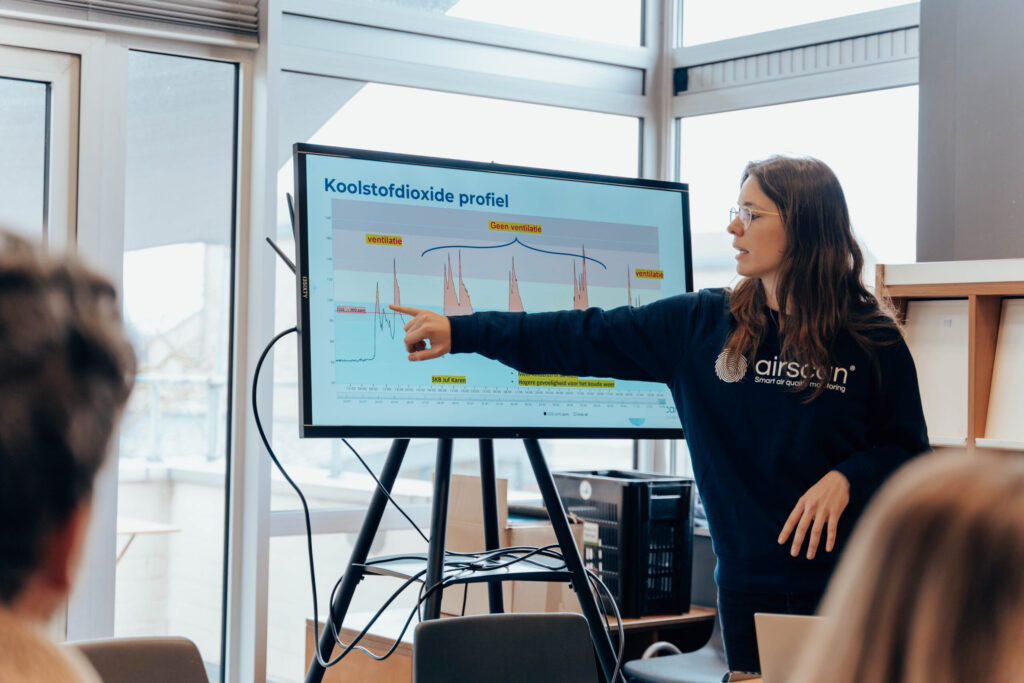
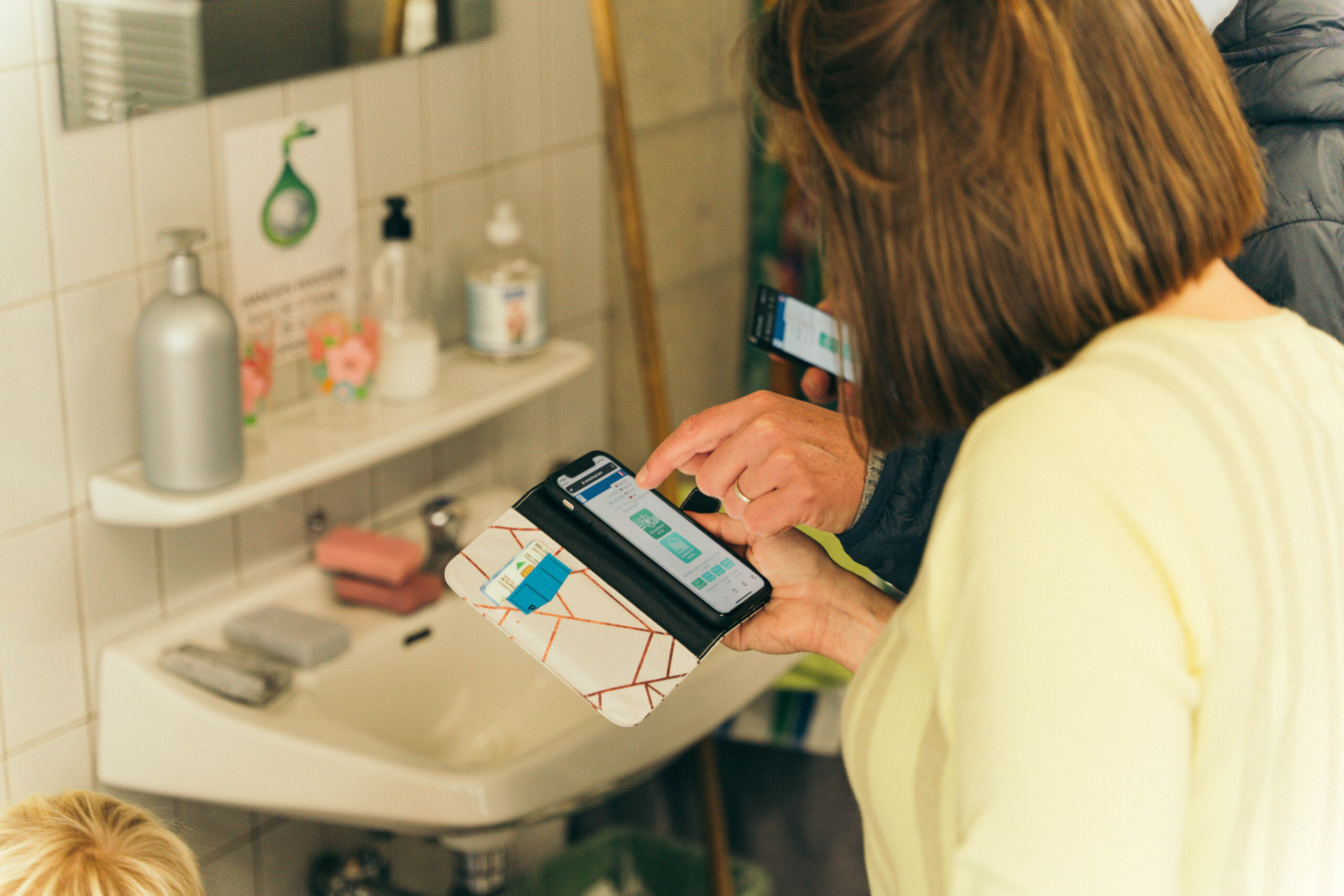
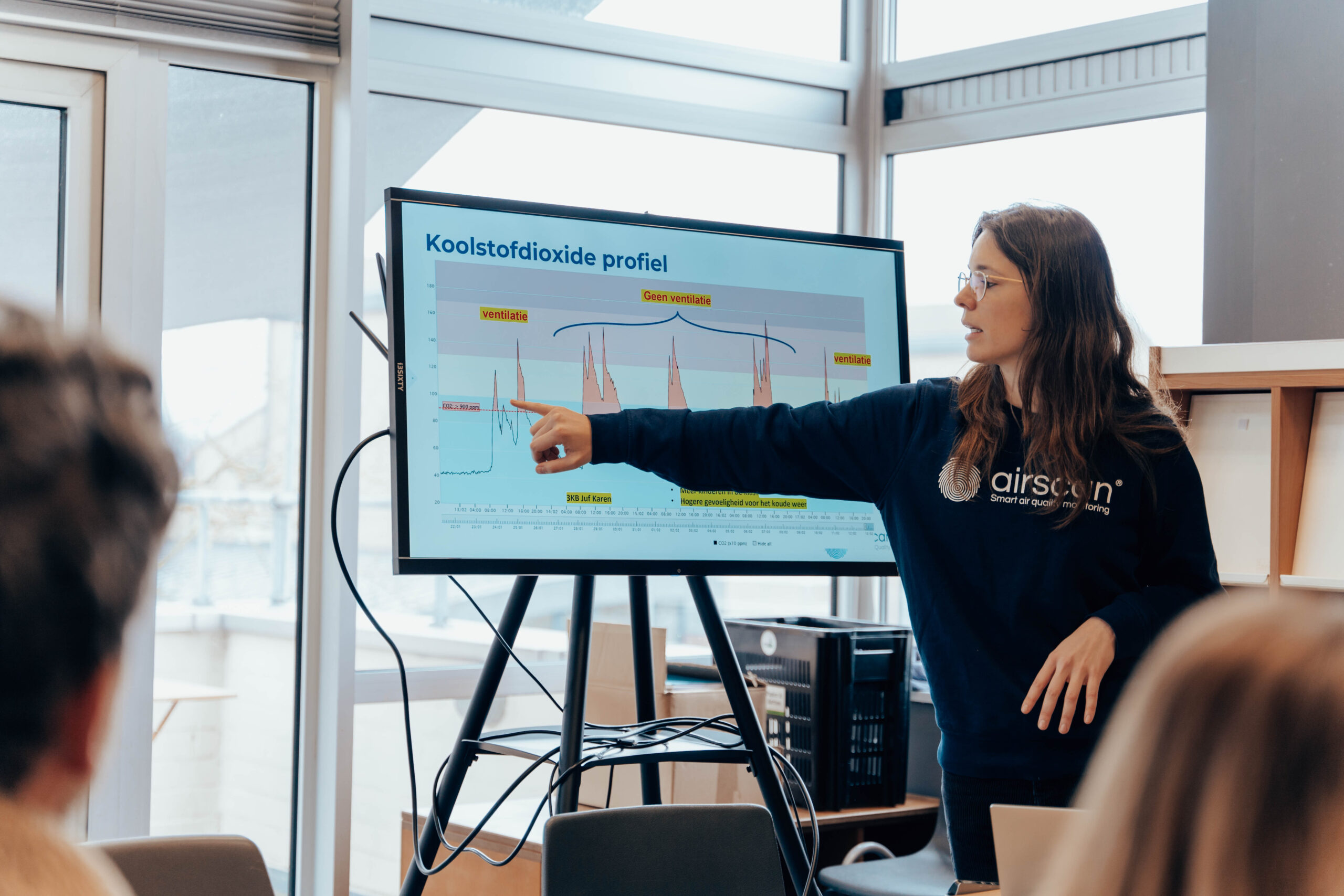
Indoor sensors measure CO₂, PM2.5, and VOCs in real time, with alerts to adjust ventilation and classroom occupancy. Data is accessible via dashboards for quick and informed decision-making. Our outdoor sensors measure NO2 and fine particulate matter.
Customized action plan
Local analyses allow for targeted recommendations: ventilation, ventilation/heating settings, reduction of internal sources, and addition of purifiers if necessary.
Turnkey project
Comprehensive support from measurement to action: sensors, analyses, recommendations, implementation (ventilation/purification), monitoring of results and financial support for free deployment to schools.
Educational dimension
Real-time displays and practical advice engage students and staff. Data becomes a learning tool, instilling good daily habits for clean air and more comfortable classrooms.
What do the schools think?
TIN NICASI
Principal, De Ceder school
We were very interested in analyzing the air quality in the classrooms, but we didn’t have the necessary budget for such a project. Thanks to Airscan and Belfius, we were able to carry it out at no cost.
PETER CROUGHS
Principal, Dolfijn school
Thanks to the Airscan project, we were able to gain a better understanding of how our new ventilation systems work and make the necessary adjustments to ensure they operate as optimally as possible.
JORIS CLEMMINCK
Principal, Vlot! school
I am convinced that teachers giving lessons in classrooms equipped with an Airscan device are more aware of air quality than those who do not have one.
FLAVIE HOZAY
Principal, Henri Hennequin school
We are now paying more attention to classroom ventilation, which is important for creating a healthy learning environment, even during the winter months.